
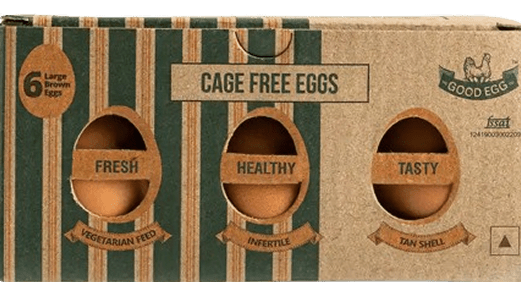
Raised cage-free within our expansive barns, ensuring our flocks live naturally to deliver an egg of uncompromising quality.
Raised cage-free within our spacious barns, ensuring our flocks live naturally to deliver an egg of uncompromising quality.
Confined to tight, restrictive spaces.
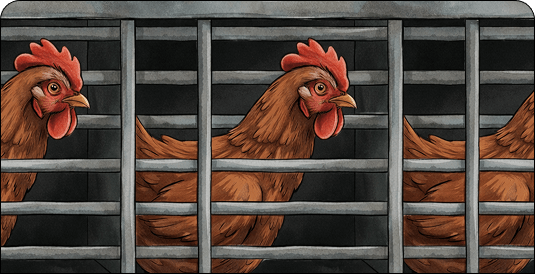
Thriving naturally in spacious barns.
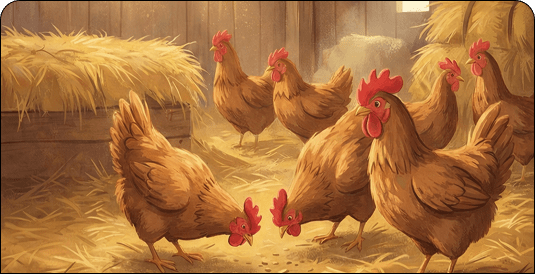
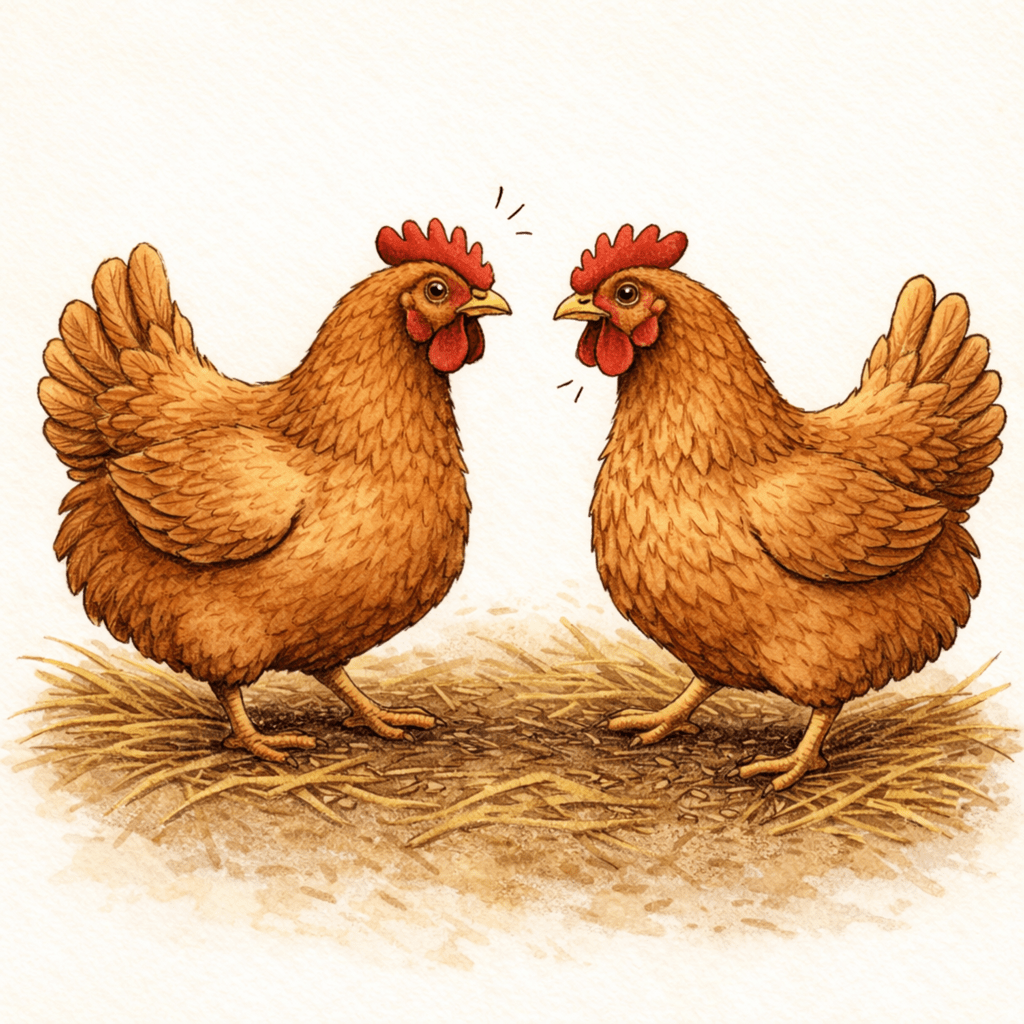
As naturally social creatures, our cage-free hens thrive in open flocks that encourage healthy interaction.
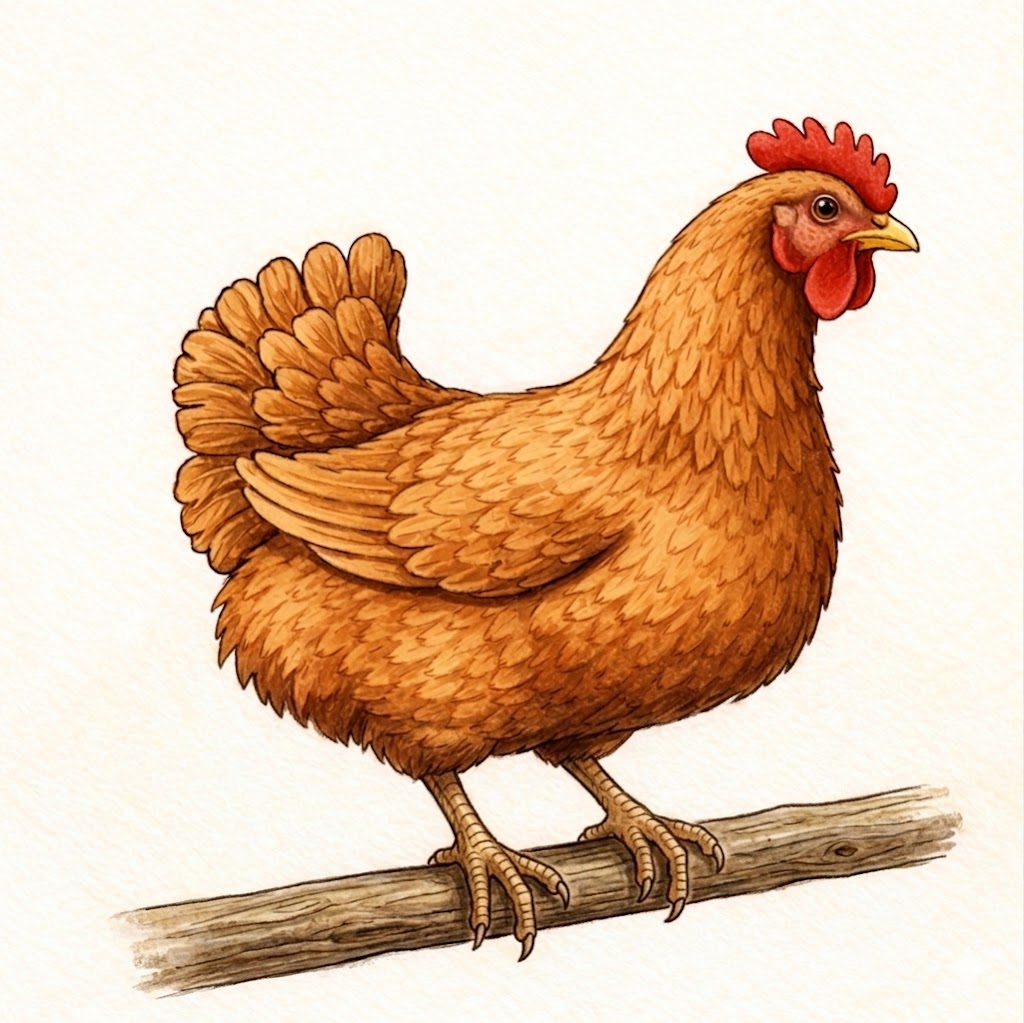
Our cage-free hens roost naturally on perches, developing stronger bones and resilient immunity.
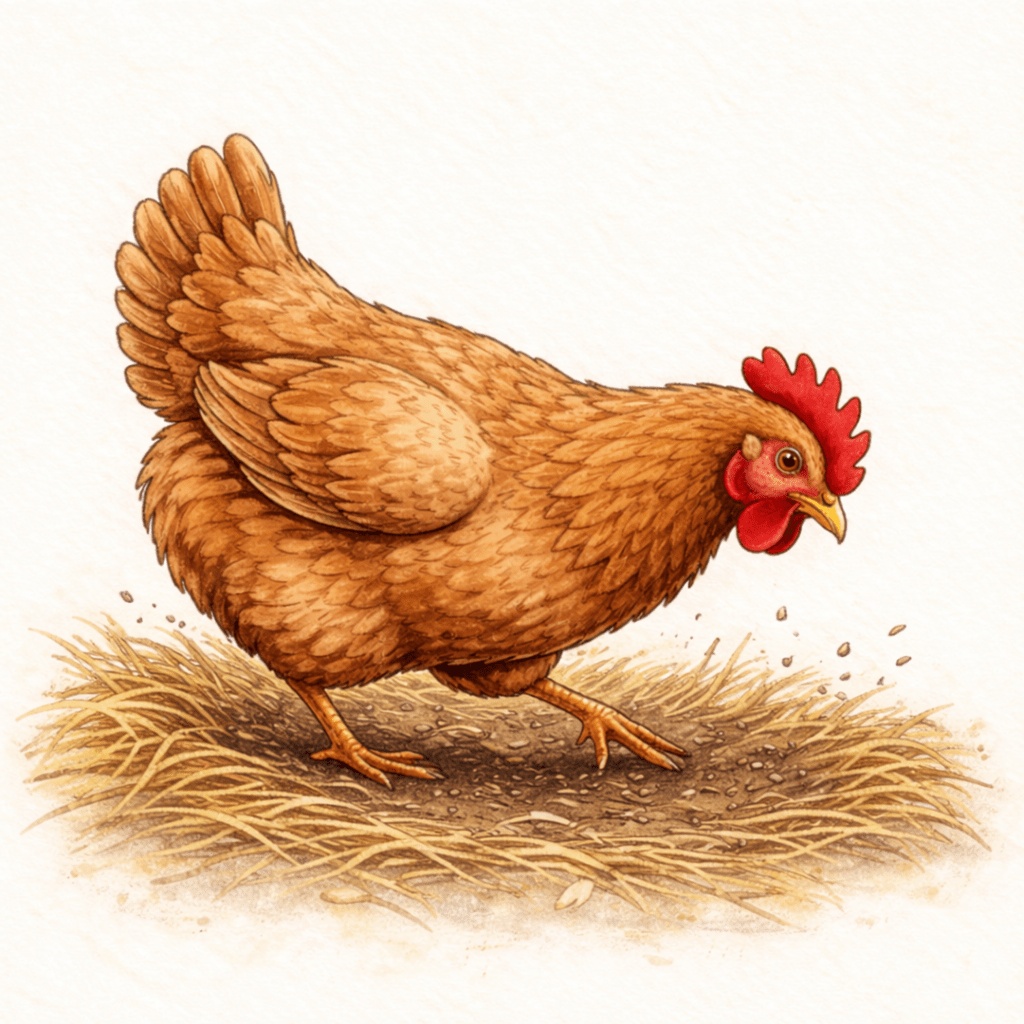
Ground scratching is a natural indicator of health, allowing our hens to explore and maintain their claws.
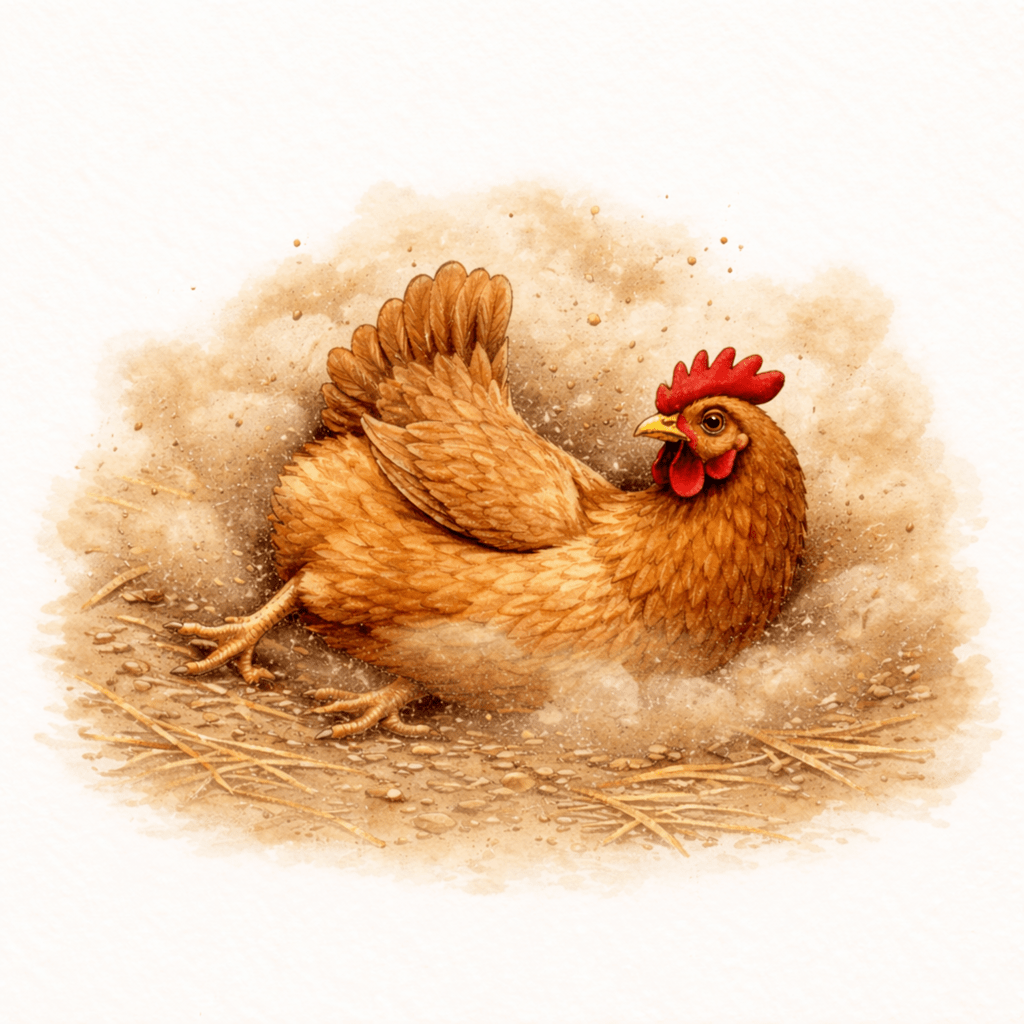
Instinctive dust bathing allows our hens to organically clean their feathers and maintain optimal health.
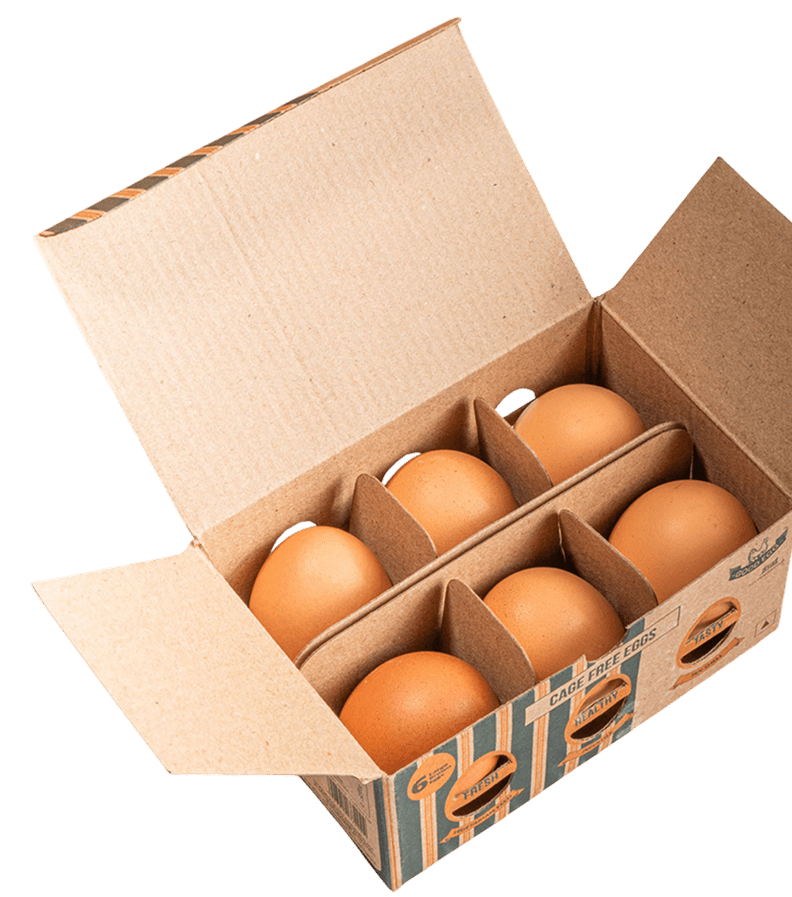
Fresh, cage-free, and reliable from quick breakfasts to home dinners.
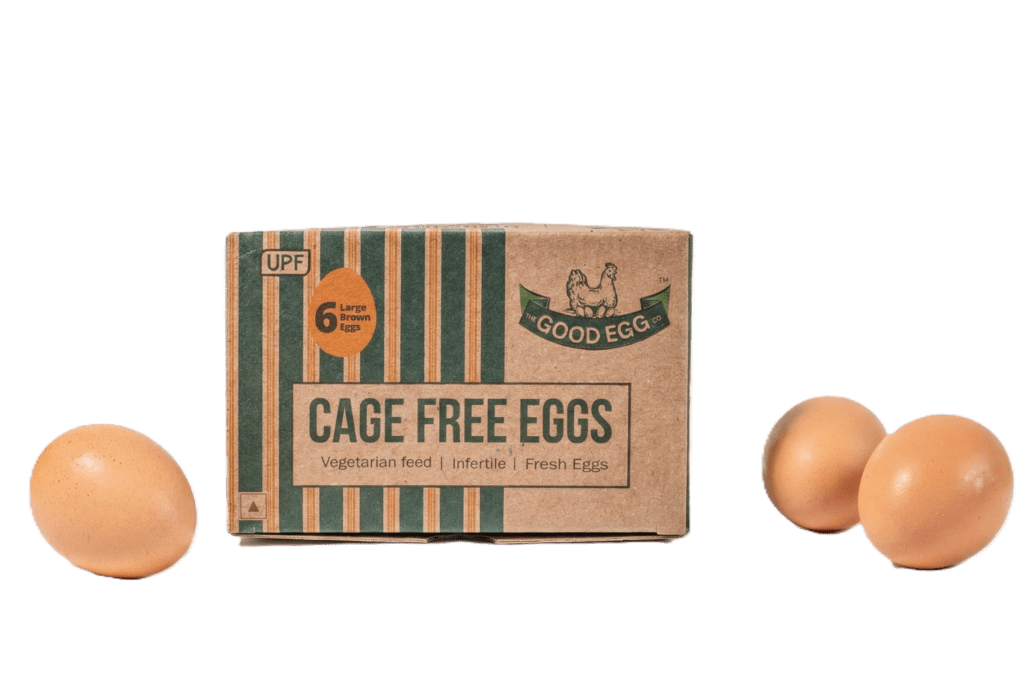
Fresh, cage-free, and reliable from quick breakfasts to home dinners.
Contrary to popular belief, these tiny spots do not indicate a fertilized egg or the presence of a disease. Rather, they are caused by the rupture of a blood vessel on the yolk surface during formation of the egg or by a similar accident in the wall of the oviduct. As an egg ages, the yolk takes up water from the albumen to dilute the blood spot so, in actuality, a blood spot indicates that the egg is fresh. Both chemically and nutritionally, these eggs are fit to eat. The spot can be removed with the tip of a knife, if you wish.
Most meat spots are tiny pieces of tissue from the hen’s oviduct. They are usually brown in colour. They range in size from 0.5 mm to more than 3 mm in diameter. They are sterile and harmless. The spot can be removed with the tip of a knife, if you wish. Many meat spots are too small to be detected by candling, especially in brown eggs.
The layer is a natural membrane formed in each egg. The thickness varies from egg to egg. The membrane is little thick in brown eggs comparatively.
Egg shell membrane is the clear film lining an egg shell. Two protein fibre membranes reside between the albumen and the inner surface of the shell. The thickness of the two membranes range between 73 to 114 µm and varies with breed. The outer shell membrane is attached firmly to the shell by numerous cones on the inner shell surface.
So don’t worry. It’s 100% natural!
Eggshell colour variations are natural. The colour variations in the eggshell are due to the deposition of a pigment called porphyrins during the formation of the egg.
Caged eggs come from hens that live their entire lives confined in small wire cages, indoors. Typically a hen has only a small space, that’s smaller than a piece of printer paper.
Cage-free hens have no outdoor access and spend their whole lives inside the shed. They are free from cage confinement in order to roam inside the shed but mostly hens have only the space that’s smaller than 2 pieces of standard letter paper side by side.
Contrary to popular belief, these tiny spots do not indicate a fertilized egg or the presence of a disease. Rather, they are caused by the rupture of a blood vessel on the yolk surface during formation of the egg or by a similar accident in the wall of the oviduct. As an egg ages, the yolk takes up water from the albumen to dilute the blood spot so, in actuality, a blood spot indicates that the egg is fresh. Both chemically and nutritionally, these eggs are fit to eat. The spot can be removed with the tip of a knife, if you wish.
Most meat spots are tiny pieces of tissue from the hen’s oviduct. They are usually brown in colour. They range in size from 0.5 mm to more than 3 mm in diameter. They are sterile and harmless. The spot can be removed with the tip of a knife, if you wish. Many meat spots are too small to be detected by candling, especially in brown eggs.
The layer is a natural membrane formed in each egg. The thickness varies from egg to egg. The membrane is little thick in brown eggs comparatively.
Egg shell membrane is the clear film lining an egg shell. Two protein fibre membranes reside between the albumen and the inner surface of the shell. The thickness of the two membranes range between 73 to 114 µm and varies with breed. The outer shell membrane is attached firmly to the shell by numerous cones on the inner shell surface.
So don’t worry. It’s 100% natural!
Eggshell colour variations are natural. The colour variations in the eggshell are due to the deposition of a pigment called porphyrins during the formation of the egg.

Automated page speed optimizations for fast site performance